Culture
Balinese Culture 101: Traditions You Need to Know
25 Mei 2026 • Ketut Putra • 7 min read
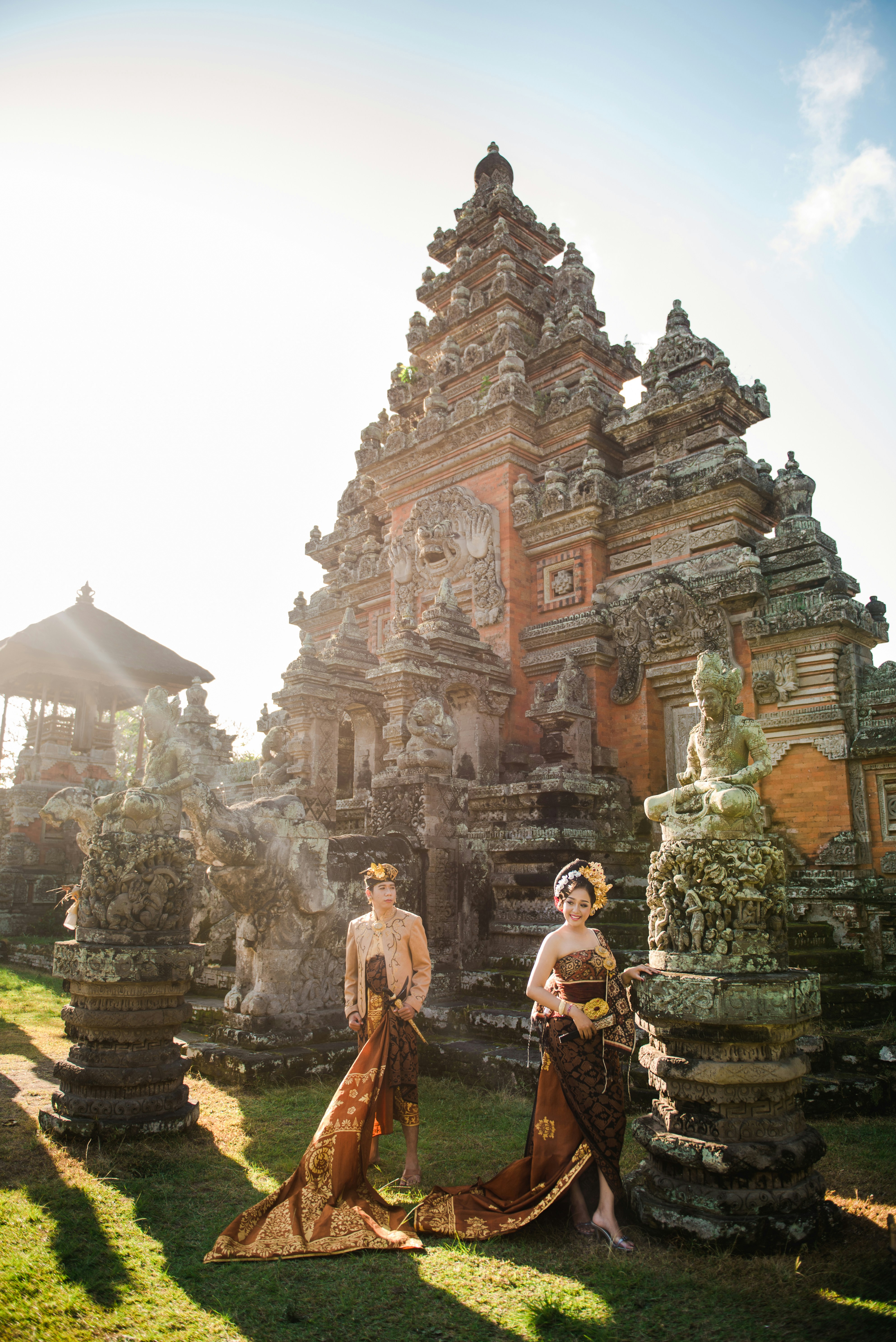
Bali's culture is a rich tapestry woven from intricate religious beliefs, community devotion, and profound artistic expression. At the core of this is Balinese Hinduism, a unique blend of Shivaism and Buddhism deeply influenced by indigenous animist beliefs. Visitors will immediately notice the "Canang Sari"—small, beautifully crafted palm-leaf baskets filled with flowers, rice, and incense placed everywhere from temple steps to the dashboards of scooters. These daily offerings are a gesture of gratitude and a means of maintaining balance between the human, natural, and spiritual worlds.
Community life is governed by the "Banjar," a local council that organizes everything from marriages and temple festivals to the intricate cremation ceremonies (Ngaben) that are viewed as joyous occasions rather than mournful ones. During important festivals like Galungan and Kuningan, the entire island transforms. Galungan celebrates the victory of dharma (good) over adharma (evil), marked by towering bamboo poles known as "penjor" lining the streets, creating a magnificent, festive archway across the island. Understanding a few cultural basics can profoundly enrich your travel experience. Always dress modestly when visiting temples—wearing a sarong and a sash is mandatory. Pointing with your index finger or touching someone's head (which is considered sacred) should be avoided. By showing respect for these ancient customs, you’ll find that the notoriously warm and welcoming Balinese people will be eager to share the deeper meanings behind their beautiful way of life.